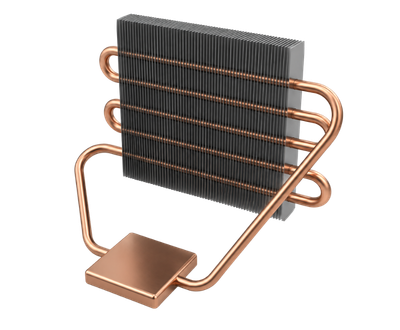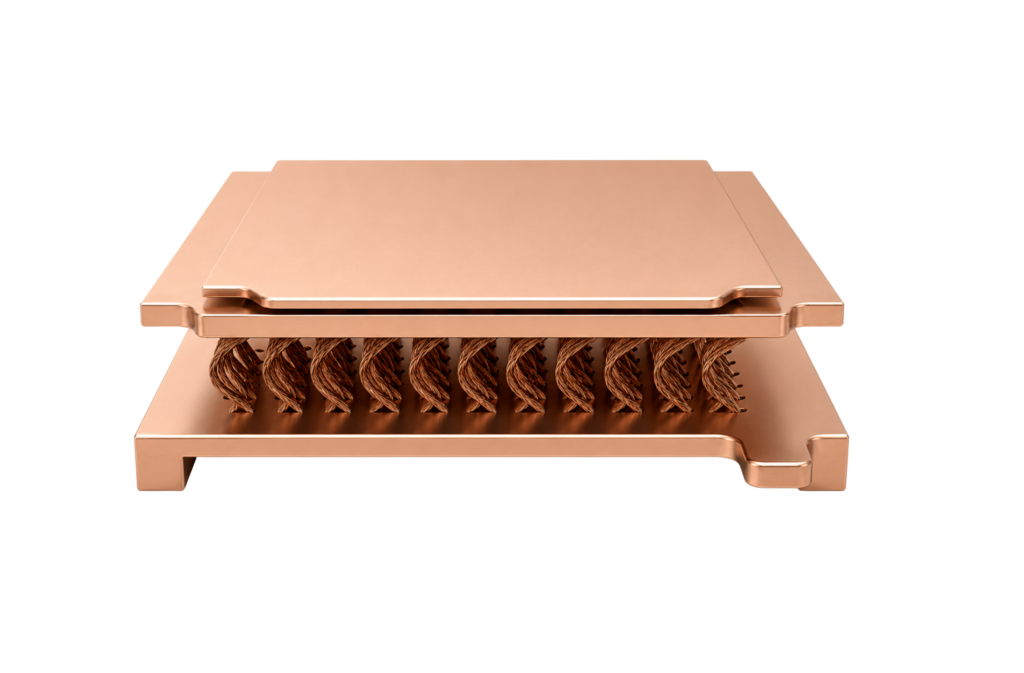
Aerospace-Grade Thermal Reliability with Two-Phase Cooling

Performance engineered heat pipes and vapor chambers for satellites, avionics, and high-G airborne platforms used in the harshest conditions.

Aerospace Thermal Challenges

  • Increasing heat flux in compact payloads
  • Strict SWaP constraints
  • Launch vibration and shock
  • Thermal cycling (ground → orbit → eclipse)
  • Orientation changes and microgravity effects
  • Long-life reliability with zero maintenance

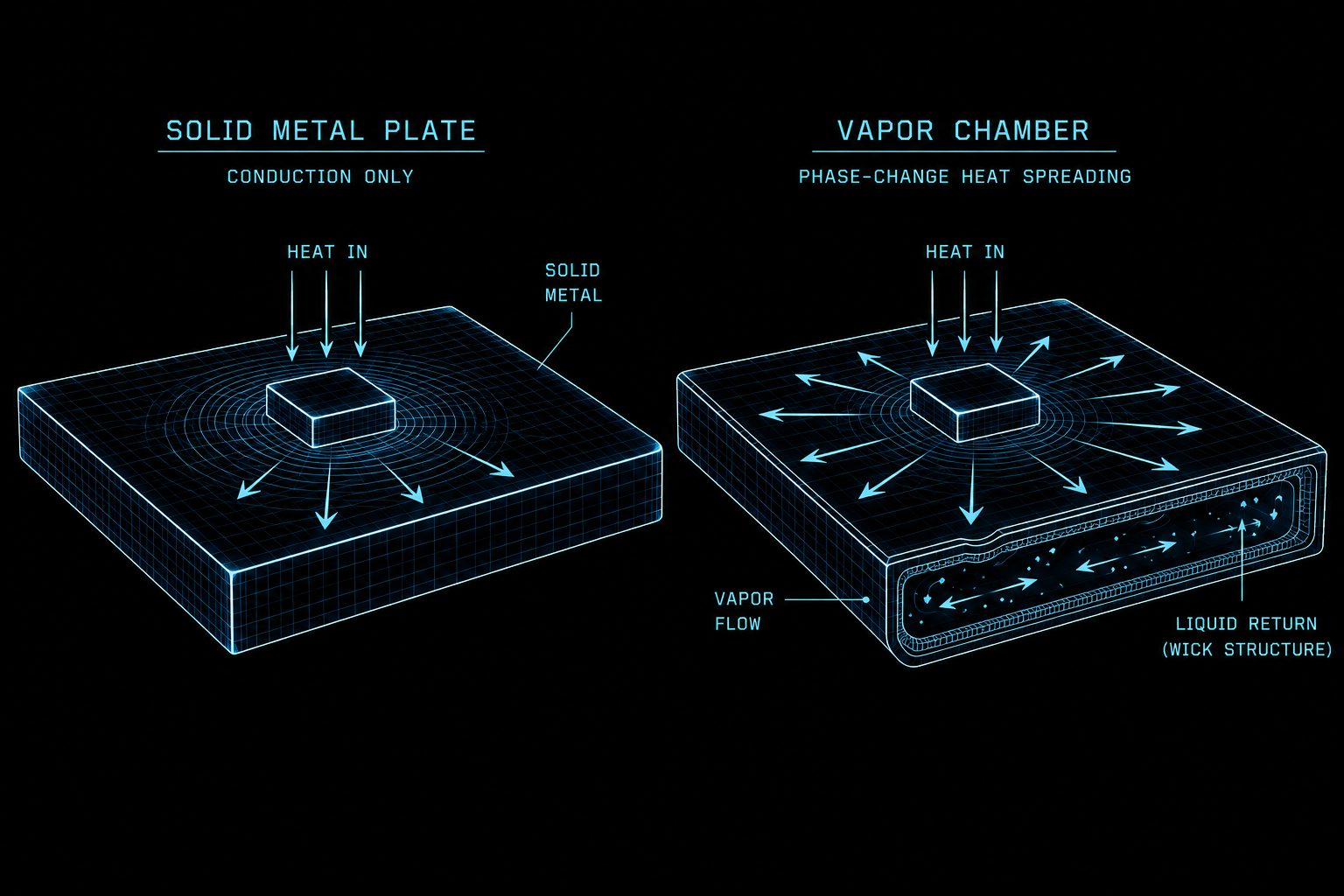
Why Two-Phase Cooling for Aerospace

  • Passive heat transport (no moving parts)
  • Extremely high effective thermal conductivity
  • Uniform temperature distribution
  • Reduced hotspot risk
  • Performance stability across orientation changes

Aerospace Thermal Reliability Considerations

  • Hermetic sealing and contamination control
  • Material compatibility and outgassing considerations
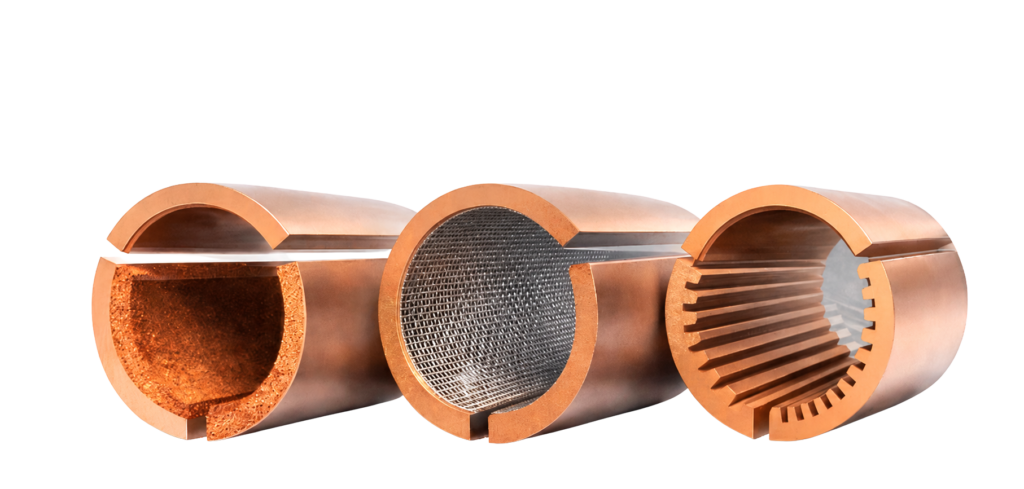
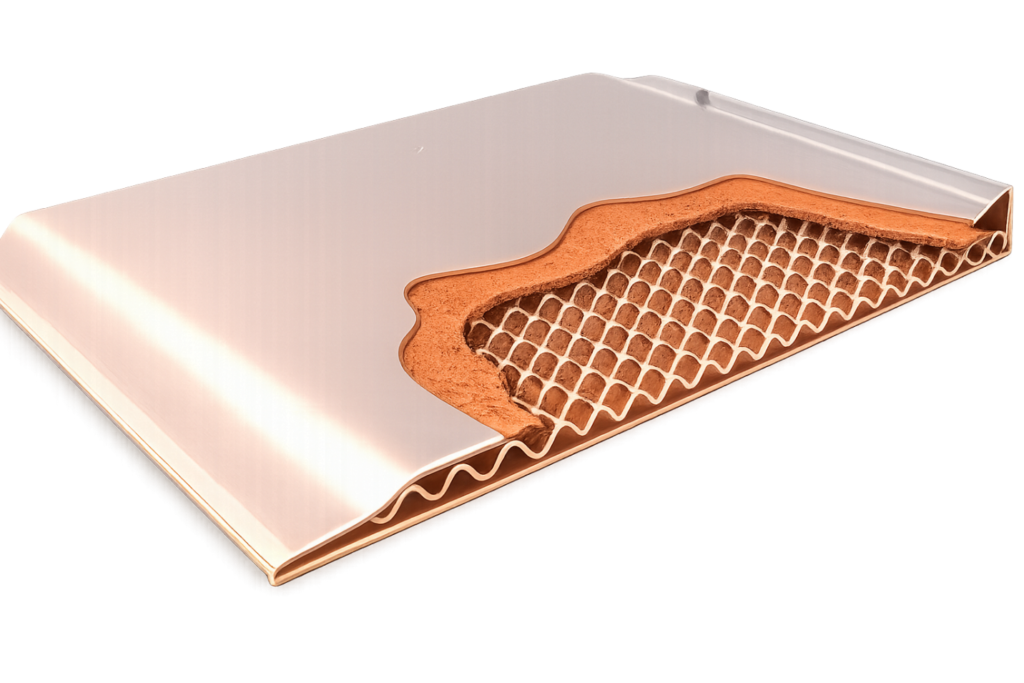
  • Wick structure selection for long-life operation
  • Working fluid selection for aerospace environments
  • Repeatable performance over extended mission durations
  • High-grade, fully traceable materials

Celsia Aerospace Thermal Management Capabilities

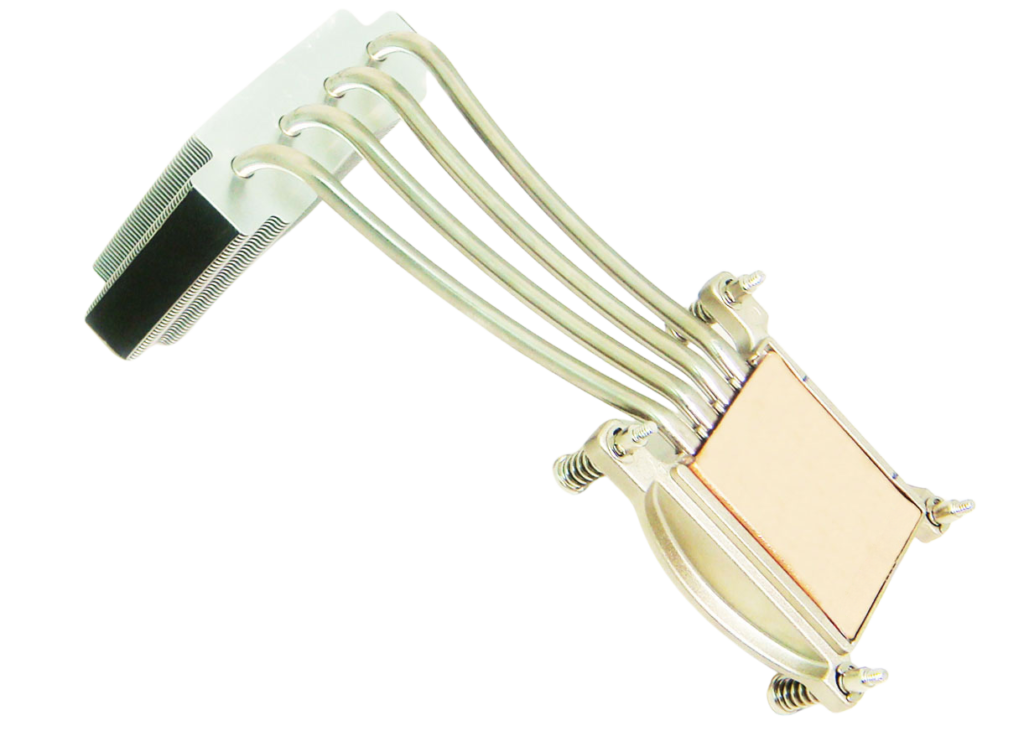
  • Aerospace-grade heat pipes and vapor chambers
  • Orientation-insensitive designs
  • Precision shaping: bends, flattening, saddles, collars
  • Custom integration for tight payloads
  • Rapid prototyping with engineering support

Typical Aerospace Applications

  • Satellite payload electronics
  • EO/IR sensor systems
  • Avionics and flight electronics
  • On-orbit computing and RF systems
  • High-G airborne ISR platforms

Aerospace Resources

Heat Sink Blogs

In-depth technical information

Video Library

Videos on specific thermal management topics

Thermal Calculators

Start planning your project