Defense Thermal Challenges
- Rising power density in ruggedized electronics
- MIL-STD shock, vibration, and thermal cycling
- Compact conduction-cooled enclosures
- Orientation and duty-cycle variability
- Long service life with zero maintenance
Why Two-Phase for Defense
- Passive, no moving parts
- High heat-flux transport in compact spaces
- More uniform temperature distribution
- Reduced hotspot risk
- Proven durability under harsh conditions
Celsia Defense Capabilities
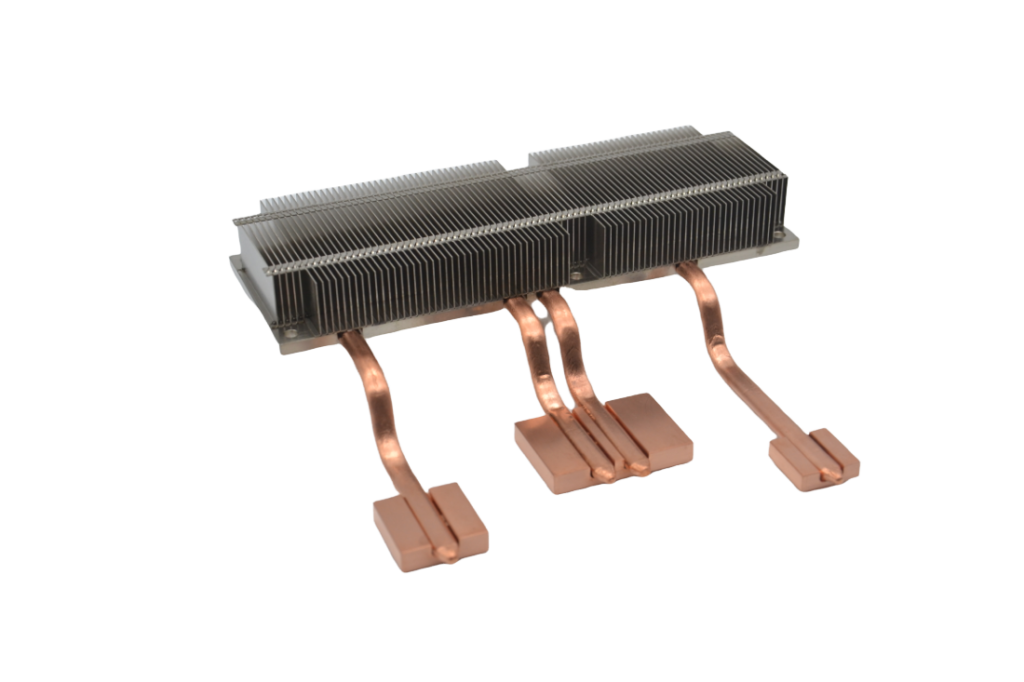
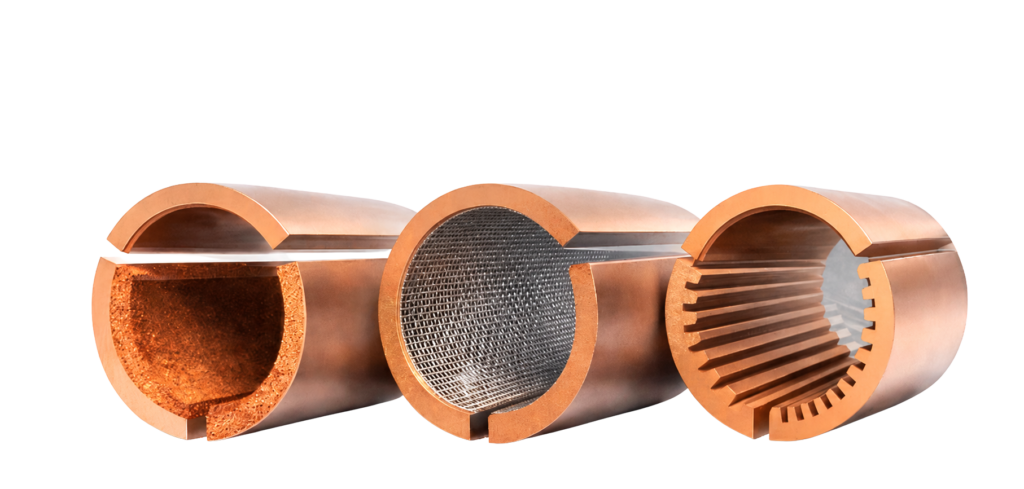
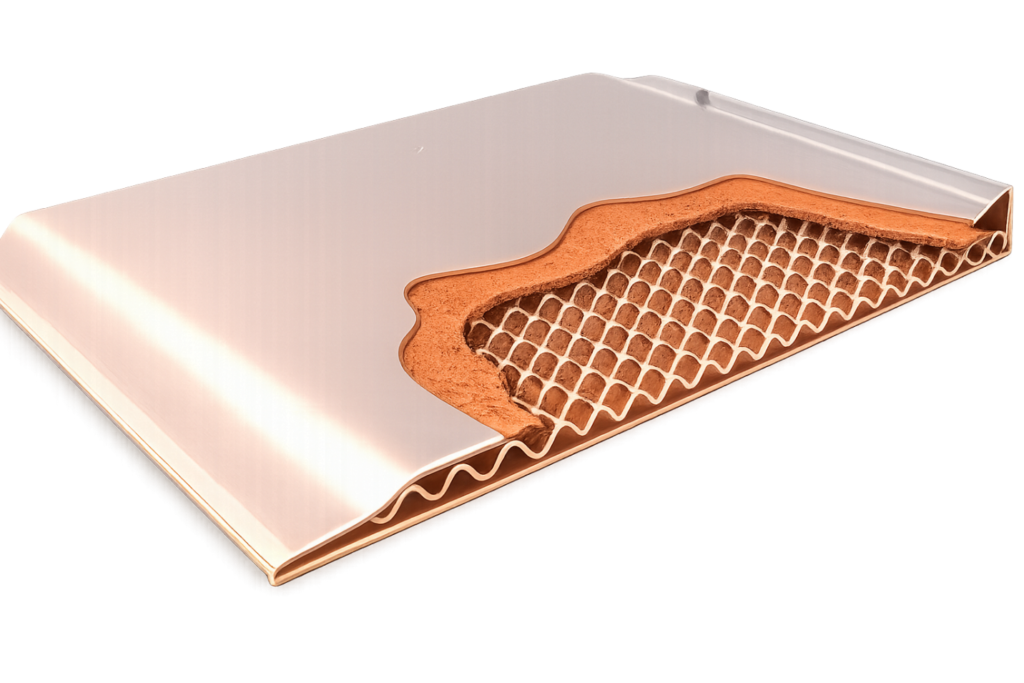
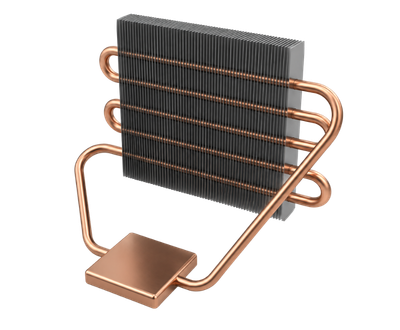
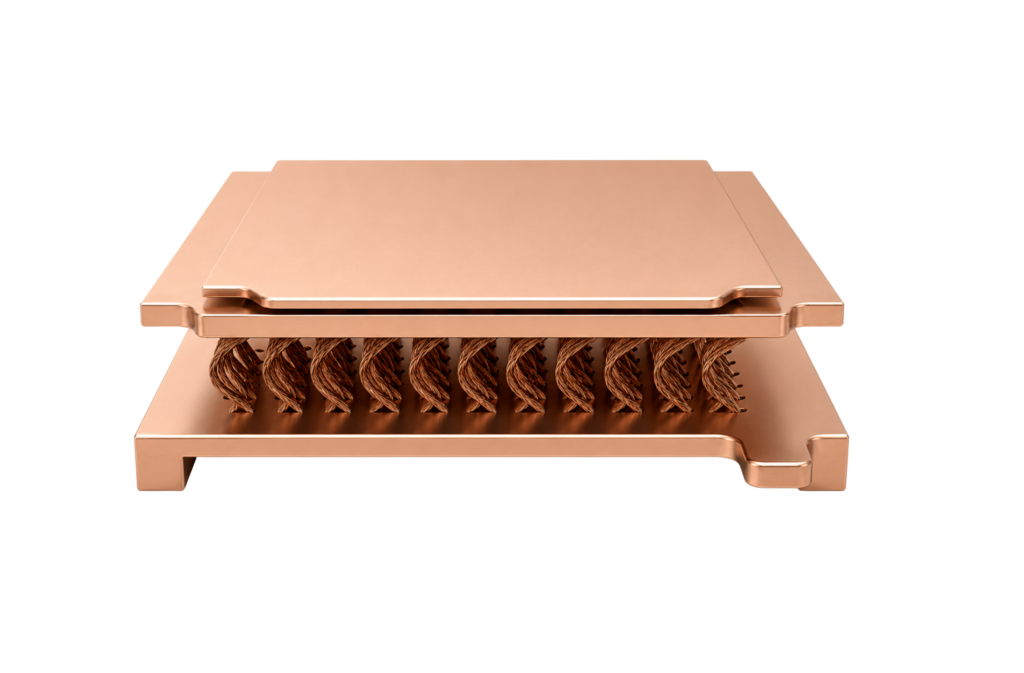
- Rugged heat pipes & vapor chambers
- Aerospace/defense-grade hermetic sealing
- Non-hazmat working fluids
- Custom shaping (bends, flattening, saddles, collars)
- Repeatable manufacturing from prototype to production
- ITAR Registered
- MIL-STD-810H validation
Typical Defense Applications
- Radar electronics
- EO/IR sensor assemblies
- Rugged computing systems
- Power conversion & RF electronics
- Ground, airborne, and shipboard platforms
Design & Qualification Considerations
- Material control and documentation
- Environmental durability considerations
- Repeatability and inspection processes
- Lead-time expectations
- Early design support to reduce risk